Moving is one of the hardest things we will have to do in our lives. And yet, we have to do it so many times! Why is it so hard?! It takes time. Time to plan, time to move, time to reset up in a new residence. It takes effort. Effort to research, pack, clean, move, unpack, and get everything back just the way you want it. It takes tons of energy. Energy of thought, motion, and STRESS! Let's not even talk about the cost! Even doing it by yourself, it still costs an arm and a leg. It's so stressful for the whole family! Not just on you, but the helping hands, the pets and the family (we will have a post on how to help them soon too!)
Time Intensive!
You have to decide what to pack. You have to separate what to throw away. If you're packing something, which box does it go in? Where will it go in the new house? What other things should you pack with it? Then, you have to decide what kind of box and what packing materials you need. Then, after it's all decided, you have to actually do all the packing. Deciding what to pack, purchasing materials, interviewing and deciding a moving company, even looking for a new home, it can take months, and sometimes even years. We are all busy with our regular day-to-day lives, so it can become quite a chore! Even just the thinking time can make you tired! KNT can help you shorten this process quite a bit, by being your one stop shop for packaging, all the way through to packing up and helping with the unpacking of your new home! We can even cart away your used packaging.
Money Intensive!
Moving costs so much money, not only time! Retaining a realtor, paying for materials, disposing materials, hiring a truck, hiring movers or buying food and alcohol for your buddies, house down payment or first and last month's rent, utility deposits, new furniture, fumigation or other things to do before moving in.... Everything takes money! If you're selling a house, it helps offset the moving costs some, but, often you have to pay upfront for the new place before you get the dividends from the old place... There's a few ways to help reduce these costs.
First, surf the advertisements on websites and newspapers or free papers provided in town first. This is a good way to find a variety of good information or gems, from finding out the good neighborhoods to finding someone who is listing their home themselves, which saves the realtor and closing fees associated with them. When you find places you're interested in, although time consuming, drive around the neighborhoods first to see what neighborhoods seem like they'll fid you. If they're too far way, Google Earth can help you if nothing else!
If you're relocating locally, try to find out if any of your utility companies can overlap. If so, then that can save you on paying new deposit fees or startup fees.
When renting, sometimes a landlord will list their apartments or homes with more than one rental agency. If this is the case, find out which company has the better reputation and/or lower fees.
Finally, make sure to check into the cost of living. The variation in different parts of the country can work in your favor, or can hurt you!
Moving materials cost money. We can accept unused packaging for no restocking fee, and, like we said, cart off the used materials after you've finished! Give us a call before you buy any of our packing materials!
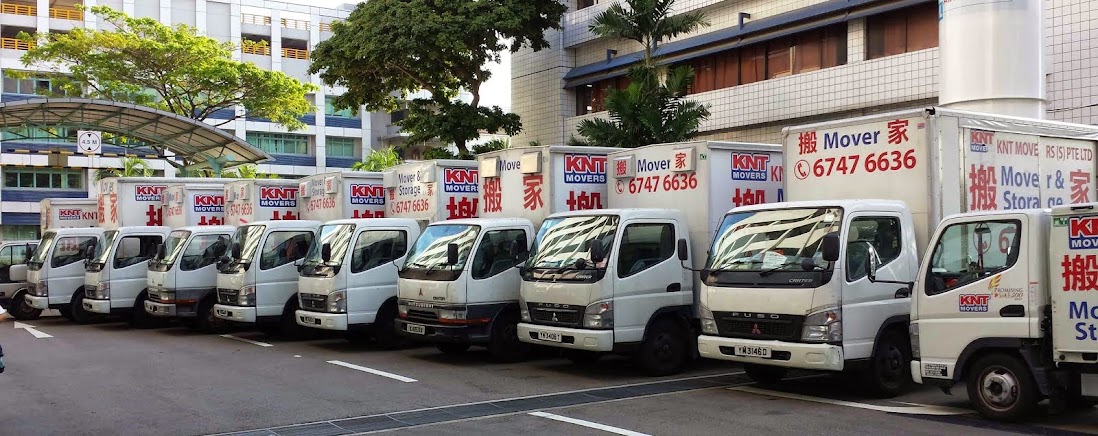
Our Fleet Of Trucks
Think Of Moving, Think Of Us.
Tuesday, 6 October 2015

Thursday, 24 September 2015
Making a Home - The Neighbor Edition
After moving into a new house, there are so many things needed to be done in order to turn it into a home. Not just all of the cleaning, remodeling, and unpacking, but things like gardening, meeting the neighbors, finding the grocery store, etc. Let this be a guide to help you to make some new friends.
For starters, stop researching. No one ever met anyone else by researching. It takes an effort to get out and meet people. Check social media and other online groups for where the local hot spots are, and then get out and start talking! It's often helpful to talk to the neighbors before you move in. This is both helpful to feel out the neighborhood, size up welcome gifts (if any), and even enlist help with the moving and unpacking on that difficult day!
Some other things that can be useful before moving to a new area: Watch the local news either by TV or the internet (even YouTube!) to find out about the local community. Subscribe to the local newspaper. Most newspapers have a website, so you can use these also. While you're on the internet, use online groups and social media to connect virtually and find out what's popular in the area and about local events. Before you move, you'll definitely be in the area to scope out your new digs and the area, so drop into local shops and start up conversations with the people who live locally to introduce yourself and fact find.
After you move, keep reading the newspaper, keep checking the local news, but get out of the house! Take your pets for a walk, and greet everyone you meet. Talk to other pet owners while your pets get to know each other. Stop at a park and talk to friendly strangers while your pet learns the area and gets a rest. Visit the local library and coffee shops. People here usually have more free time, and are often open to conversations. Taking a class at the local community center is another good way to get to know people. It's much easier for people to talk while they're doing something, and invites to go do XX afterwards are common. Try turning off your GPS and go explore your area. If you get lost, you can always turn it back on to get home, or, even better, stop in and ask for directions! What better way to start a conversation?
Tired of packing? why not take a break and get some fresh air? Moving trucks attract a lot of attention. The locals are much more likely to move in to talk to the new residents when the truck is still in the driveway, and it's important to make yourself available. The more approachable you are, the more likely you are to make new friends fast!
Lastly, what move is complete without a house-warming party? Invite your new friends AND old friends. Invite your family! It's important to not forget the friends you have already when making a new home with a new social group. If everyone is too far away, the wonders of technology keep you connected! Just because you're moving doesn't mean you lose everything! Bring parts of your old home to your new home!
For starters, stop researching. No one ever met anyone else by researching. It takes an effort to get out and meet people. Check social media and other online groups for where the local hot spots are, and then get out and start talking! It's often helpful to talk to the neighbors before you move in. This is both helpful to feel out the neighborhood, size up welcome gifts (if any), and even enlist help with the moving and unpacking on that difficult day!
Some other things that can be useful before moving to a new area: Watch the local news either by TV or the internet (even YouTube!) to find out about the local community. Subscribe to the local newspaper. Most newspapers have a website, so you can use these also. While you're on the internet, use online groups and social media to connect virtually and find out what's popular in the area and about local events. Before you move, you'll definitely be in the area to scope out your new digs and the area, so drop into local shops and start up conversations with the people who live locally to introduce yourself and fact find.
After you move, keep reading the newspaper, keep checking the local news, but get out of the house! Take your pets for a walk, and greet everyone you meet. Talk to other pet owners while your pets get to know each other. Stop at a park and talk to friendly strangers while your pet learns the area and gets a rest. Visit the local library and coffee shops. People here usually have more free time, and are often open to conversations. Taking a class at the local community center is another good way to get to know people. It's much easier for people to talk while they're doing something, and invites to go do XX afterwards are common. Try turning off your GPS and go explore your area. If you get lost, you can always turn it back on to get home, or, even better, stop in and ask for directions! What better way to start a conversation?
Tired of packing? why not take a break and get some fresh air? Moving trucks attract a lot of attention. The locals are much more likely to move in to talk to the new residents when the truck is still in the driveway, and it's important to make yourself available. The more approachable you are, the more likely you are to make new friends fast!
Lastly, what move is complete without a house-warming party? Invite your new friends AND old friends. Invite your family! It's important to not forget the friends you have already when making a new home with a new social group. If everyone is too far away, the wonders of technology keep you connected! Just because you're moving doesn't mean you lose everything! Bring parts of your old home to your new home!
Saturday, 12 September 2015
Kitchen Storage Tips

 A cramped kitchen is incredibly hard to work in. Remodeling your kitchen can be a real pain. Sometimes, you've got no choice with the design, and so you just do your best until you can upgrade or build your dream kitchen. While it can be a large pain, and doing it yourself may cause some heartache, it's worth it! Even small adjustments can make your space more efficient and productive, yet reduce the clutter!
Use Your Space!

 There are many places we don't think about which have wasted space; space we could be using to store things, but aren't yet. Don’t be one of those people. Learn to think outside the box! You can attach cork board to doors to hold knives or recipes. You can install racks or clip strips to keep spices, recipes, coupons and lists. This frees up extra drawer space for other things. It's even a great place to hang other cooking utensils, like measuring spoons or any other utensil which has a hook. I especially like to put my frying utensils in easy to access spots. It's even a good place to put racks or baskets to hold cleaning supplies like sponges, or pot lids. There's not much a good cabinet door can't hold for you.
And don't forget about the space under the cabinets too! They can be used to hold paper towel (or cloth towel) racks and even knife blocks like this one! Don't put a limit on your creativity!
Serious Shelving

 Shelves are another option you can utilize maximize your space. The secret to uncluttering your kitchen space is to keep everything off the counters that you can. A kitchen without proper shelving and cabinets isn't a kitchen, it's just a cook space! So make that kitchen more comfy by installing some shelves for yourself. Regular shelves are great for displaying decorative dishes and teapots, but lack a bit for other kinds of utility. I prefer to install more useful shelving.
A pantry without shelves is just a closet, so, try different ways to make your pantry more useful.

 Shelves are another option you can utilize maximize your space. The secret to uncluttering your kitchen space is to keep everything off the counters that you can. A kitchen without proper shelving and cabinets isn't a kitchen, it's just a cook space! So make that kitchen more comfy by installing some shelves for yourself. Regular shelves are great for displaying decorative dishes and teapots, but lack a bit for other kinds of utility. I prefer to install more useful shelving.
 A pantry without shelves is just a closet, so, try different ways to make your pantry more useful.
Container Clutter
When we buy things at store, they always come in packages inside packages inside packaging. All this extra wrap, trap, and scrap can take a lot of extra room when you're trying to store something. I always unpackage everything as much as possible without spoilage or risk of loss of freshness. This can help reduce all the extra clutter in a kitchen. That's not to say, however, that I am against containers in the kitchen!
Baskets make great kitchen aids! Put all your spices of a similar theme in one basket, or all the dry ingredients you use to make your favorite Mexican dish in a basket together. Store your flour, sugar, or other powdered items in a large, decorative glass jar with a vacuum seal lid. I recommend keeping some kind of desiccant in the jar with them to avoid clumping, however!
Baskets make great kitchen aids! Put all your spices of a similar theme in one basket, or all the dry ingredients you use to make your favorite Mexican dish in a basket together. Store your flour, sugar, or other powdered items in a large, decorative glass jar with a vacuum seal lid. I recommend keeping some kind of desiccant in the jar with them to avoid clumping, however!
Tuesday, 1 September 2015
Organizing Your Kitchen
 I don't know about you, but the kitchen is my favorite room in the house. It's hard to share it, it's hard to let anyone else use it, and it's impossible to let someone else organize it. The only good part of moving to a new house is reorganizing my kitchen. Every time, I get to put everything in the cabinets the way I want, in an easy to use fashion. If I could move kitchen every month, I would! If I had to move house every month, I might give up on living. Here's a few tips on how I keep my cabinets, dishes, and cooking utensils easy to use and well organized.
First up: where and when! 

The first thing I do is to really take a look at my kitchen, and see what I have to work with as far as
storage. Cabinets with opaque doors, or doors we can see through? Can I reach the shelves without a step-stool or ladder? Do I need a rocket to reach the top shelf? Which shelves have a greater chance to leak or are near the stove/microwave and will get too hot to store foodstuffs? Check out all of these things, and then you're ready to start to organize.

 If I can't use a storage space where I can see inside, or, I can't replace the doors such that I will be
able to, then I make sure to organize my spices by commonly used grouping, and store them in the closest place to my work space. I try to do my mixing and preparation away from the stove and oven (and dishwasher) so that the heat doesn't affect what I am preparing!
storage. Cabinets with opaque doors, or doors we can see through? Can I reach the shelves without a step-stool or ladder? Do I need a rocket to reach the top shelf? Which shelves have a greater chance to leak or are near the stove/microwave and will get too hot to store foodstuffs? Check out all of these things, and then you're ready to start to organize.

Spices, baking goods, and other perishables.
For any ingredients I am keeping, I like to keep them somewhere easy to see. My preference is to keep them in a cabinet with a glass or plastic door that allows me to see what's inside. Then I can open it easily and get what I want right away. I often use small baskets or other such containers that can store spices in a theme; Italian, Mexican, Pizza, or any other theme that works well for you. I also want to make sure this storage space is fairly temperature controlled. If the temperature spikes, it's too humid, or it's too dry, it can have an adverse effect on your stored goods. A full plastic bottle of oil may not be full anymore after the oil heats up and overflows all over the cabinet. If I can't use a storage space where I can see inside, or, I can't replace the doors such that I will be
 able to, then I make sure to organize my spices by commonly used grouping, and store them in the closest place to my work space. I try to do my mixing and preparation away from the stove and oven (and dishwasher) so that the heat doesn't affect what I am preparing!
Cups, plates, bowls, serving dishes....
Nothing makes me more cranky than when my dish cabinets are in disarray. I try to put my dishes in order from largest to smallest, flattest to most curvy. I also make sure I sort all of my dishes by design, and put all the items with the same design in the same spot. I can't sleep at night if they're in disarray!
I store my serving and presentation plates in a separate cabinet from my every day use items. These also are organized by size, height, and design. I make sure to do it this way to maximize my storage space.
Thursday, 27 August 2015
Getting in and setting up
So, you've found a place to live! Congratulations on your new house! Now, you need to make the house your home! With everything packed (and labeled?) and ready to go, make sure you've got your moving checklist and have everything sorted by room. It's time to turn that house into a home, little by little.
What can you do today? First, make sure the movers have all the boxes! Don't let them leave without all of your belongings! We posted before about the missing teddy bear. Don't let this trauma happen to your family too!
First, only fill your home with the stuff you really want to be there (or need). Everything that won't fit, doesn't match, is worn out or you just don't feel anymore, it's better to get rid of it now instead of later. Sell, give, or throw them away! Why move them just to move them out again?
The first night is so hard, so make sure you're prepared! Hopefully you've prepared a move-in box, with everything you'll need for the first night. This should include toiletries, bedding, and anything else that you or children or other family members might need (like the dog). Also, make sure you have enough dishes (or paper goods) to eat dinner the first night. Let's be honest, unless you're Wolfgang Puck, you're not cooking the first night!
Now, starting on your second day, it's time to get serious about unpacking. For starters, since you have all that you need to survive a few days, take your time! Unpack boxes one at a time, one room a t a time. When packing, you've hopefully planned unpacking at the same time. Take it easy, and try to put everything in the right spot. Try to unpack art, photos, and decorations early to decorate and hep give your house a homey feeling.
Don't try to do everything at once! Pace yourself, and don't be afraid to ask for help from your new neighbors or your children! Why not let the little ones unpack and decorate how they want? Also, they maybe can't wait for you to get around to unpacking the toy or game they really want to play with next, so this keeps them occupied while you set up the rest of the house! Involving your new neighbors lets them get to know you and maybe find things in common.
Finally, remember to be flexible with your decorating and your time. Don't stress out or strain yourself trying to get everything perfect the first time, or all at once. Take some time to learn about your new neighborhood, and explore and find all the fun things there are to do!
When you're done unpacking, call us, and we'll come pick up the boxes and packaging you got from us at no extra fee! Let us help you with that clean-up!
What can you do today? First, make sure the movers have all the boxes! Don't let them leave without all of your belongings! We posted before about the missing teddy bear. Don't let this trauma happen to your family too!
First, only fill your home with the stuff you really want to be there (or need). Everything that won't fit, doesn't match, is worn out or you just don't feel anymore, it's better to get rid of it now instead of later. Sell, give, or throw them away! Why move them just to move them out again?
The first night is so hard, so make sure you're prepared! Hopefully you've prepared a move-in box, with everything you'll need for the first night. This should include toiletries, bedding, and anything else that you or children or other family members might need (like the dog). Also, make sure you have enough dishes (or paper goods) to eat dinner the first night. Let's be honest, unless you're Wolfgang Puck, you're not cooking the first night!
Now, starting on your second day, it's time to get serious about unpacking. For starters, since you have all that you need to survive a few days, take your time! Unpack boxes one at a time, one room a t a time. When packing, you've hopefully planned unpacking at the same time. Take it easy, and try to put everything in the right spot. Try to unpack art, photos, and decorations early to decorate and hep give your house a homey feeling.
Don't try to do everything at once! Pace yourself, and don't be afraid to ask for help from your new neighbors or your children! Why not let the little ones unpack and decorate how they want? Also, they maybe can't wait for you to get around to unpacking the toy or game they really want to play with next, so this keeps them occupied while you set up the rest of the house! Involving your new neighbors lets them get to know you and maybe find things in common.
Finally, remember to be flexible with your decorating and your time. Don't stress out or strain yourself trying to get everything perfect the first time, or all at once. Take some time to learn about your new neighborhood, and explore and find all the fun things there are to do!
When you're done unpacking, call us, and we'll come pick up the boxes and packaging you got from us at no extra fee! Let us help you with that clean-up!
Tuesday, 25 August 2015
Making a house a home, the thrifty way!
Moving can be expensive! DIY moves are the cheapest financially, but may be the most expensive physically. Even a DIY move can break the bank over long distances. At KNT, we do our best to be kind to your pocketbook, but some times there are just too many things for you to move, or too many new things for you to buy. How can you transform that empty, stark house into your warm and comfortable home? Let us provide some tips for you!
For starters, to prevent damage to your recently moved in items, make sure you do any painting and renovations prior to moving in your stuff. It's a pain to make all the trips, but it will save you a lot of heartache later.
Next, find and shop the used, thrift, or second hand stores in the area. Some of the items you'll find will surprise you in a bad way, but some of them will surprise you in a good way! It's amazing the things I've found in thrift shop; from brand new electronics to antique electrics that make great conversation pieces. Consider flowers from the dollar store to help add color and brightness to your otherwise boring spaces. Many of the items I have found to decorate our house have been unique, handmade crafts that really liven up your home.
For starters, to prevent damage to your recently moved in items, make sure you do any painting and renovations prior to moving in your stuff. It's a pain to make all the trips, but it will save you a lot of heartache later.
Next, find and shop the used, thrift, or second hand stores in the area. Some of the items you'll find will surprise you in a bad way, but some of them will surprise you in a good way! It's amazing the things I've found in thrift shop; from brand new electronics to antique electrics that make great conversation pieces. Consider flowers from the dollar store to help add color and brightness to your otherwise boring spaces. Many of the items I have found to decorate our house have been unique, handmade crafts that really liven up your home.
Speaking of unique, handmade crafts, why not make some of your own? Recruit the family to help out! These items are a sign of a warm, loving home, and can add color and contrast to an otherwise drab living space. Even if you can't decorate the whole room, adding an accent to the usual space can go a long way to warming up the room.
Have a spare white wall? Why not track your children's growth? Measure them, and make a line as they grow, adding their initials and the date. This is a cute, fun way to add a conversation piece to your home, and the cost is only a permanent marker.
Are you trying to use your old furniture in your new house, but something just seems off? Well, like the saying goes, you can't put a round peg in a square hole! Why not sell these items and use the money to buy something that works better? If nothing else, that space could be used for a play area, a storage area, or a workout area! Don't limit your possibilities!
We mentioned before accent or contrast items. If you have a space that you can't afford to decorate now, why not just put a single, eye-attracting adornment there to distract from the rest of the room? Later, as the budget allows, decorate the rest of the room, or fill the space with family photos or cheaper decorations.
Last, remember that you don't need to decorate everything the day you move in. Do what you can at first, but, remember that it takes time to make a a house a home. Decorate as much as your budget and time allow, and build the rest of your home over time, as any warm home should be. You can't rush perfection!
Have a spare white wall? Why not track your children's growth? Measure them, and make a line as they grow, adding their initials and the date. This is a cute, fun way to add a conversation piece to your home, and the cost is only a permanent marker.
Are you trying to use your old furniture in your new house, but something just seems off? Well, like the saying goes, you can't put a round peg in a square hole! Why not sell these items and use the money to buy something that works better? If nothing else, that space could be used for a play area, a storage area, or a workout area! Don't limit your possibilities!
We mentioned before accent or contrast items. If you have a space that you can't afford to decorate now, why not just put a single, eye-attracting adornment there to distract from the rest of the room? Later, as the budget allows, decorate the rest of the room, or fill the space with family photos or cheaper decorations.
Last, remember that you don't need to decorate everything the day you move in. Do what you can at first, but, remember that it takes time to make a a house a home. Decorate as much as your budget and time allow, and build the rest of your home over time, as any warm home should be. You can't rush perfection!
Storage Options
Whether you're looking to downsize your home, tidy up the clutter, on a temporary relocation for work, or any number of other reasons, storage is often a great, low cost option! In order to mitigate costs and get the best deal, it's important to know just how small of a storage unit you can get away with. In order to know that, you need to properly assess the items you need to store! Here are a few tips to help you properly plan and pack your items.
First, make a list! What do you need to store? Everything? Something? A few things? Just the furniture? Write it all down, and get it sorted. Also, you might use a larger sheet of paper for this, and leave some room here for notes like dimensions and so forth. Now, do you have your list? Look it over again. Which of these things are you really going to use again? Which of these things will it be better to replace or just eliminate entirely? Every extra item you can eliminate saves you money in the long run!
Now, take the edited list, and, measure the big stuff. How large is the sofa? How tall? How wide? How broad? Which items are fragile and need special care? Which items are sensitive and need to be sealed air tight? Anything need mothballing? All of these things need to be taken into consideration!
Now, you need to get your packing materials: packing paper, moving blankets, moving pads, and strong cardboard boxes of various sizes. You may also need to acquire tools to dismantle appliances and furniture if needed. Don't forget air tight sealing and mothballs! When choosing boxes, make sure they're strong enough to stack! The best way to save space is to use stackable boxes. If you're storing fragile items, try using dishpack boxes to save you from worrying about breakage during transportation, and can help make sure your wine glasses weather the storage time carefully.
For clothing, wardrobe boxes can help prevent wrinkles and other frustrations that often occur in a move or long term storage. Having to repress work clothing or rewash items after moving is a serious chore. Remember to pack heavier items in smaller boxes to balance the weight, and lighter items in somewhat larger boxes to reduce the amount of packaging required!
We offer packaging at a great rate as well, and we can even pick it up for free after you've moved with us!
After procuring your storage facility, you can plan how to use the space. First, stacking the boxes. Large, heavier items must be placed first; i.e. appliances and boxes of your college textbooks. The heavier boxes also need to go towards the bottom, with the lighter boxes obviously being placed on top. Keep in mind what you might need to have easy access to during storage time, or things you might need to put your hands on quickly to help unpack or reassemble other items that are in the storage facility.
If you're storing anything with drawers or shelving, use this space to store smaller and lighter items like clothing and pillows. Whatever you're storing, make sure to pack it in a storage back to keep pesky bugs and dust out.
Large furniture like sofas and love seats can be turned on their end and stored against a wall to reduce the amount of floor space they require. If you're storing appliances, remember that your fridge and freezer were recently damp or moist on the inside, so no matter how long you've let them defrost or air, leave the doors open a crack to make sure they don't mold.
And, as always, make sure to label every box with its contents. Keep your packing so that you know what you’ve locked up in storage. It's always frustrating to search for the stuff you're missing, only to find out after you've bought a new one that it was in your storage unit!
If you're looking for great rates on storage, make sure you call us at KNT! We have great rates and clean, dry facilities to protect all your items! Our customer service specialists are standing by at 6747-6636.
First, make a list! What do you need to store? Everything? Something? A few things? Just the furniture? Write it all down, and get it sorted. Also, you might use a larger sheet of paper for this, and leave some room here for notes like dimensions and so forth. Now, do you have your list? Look it over again. Which of these things are you really going to use again? Which of these things will it be better to replace or just eliminate entirely? Every extra item you can eliminate saves you money in the long run!
Now, take the edited list, and, measure the big stuff. How large is the sofa? How tall? How wide? How broad? Which items are fragile and need special care? Which items are sensitive and need to be sealed air tight? Anything need mothballing? All of these things need to be taken into consideration!
Now, you need to get your packing materials: packing paper, moving blankets, moving pads, and strong cardboard boxes of various sizes. You may also need to acquire tools to dismantle appliances and furniture if needed. Don't forget air tight sealing and mothballs! When choosing boxes, make sure they're strong enough to stack! The best way to save space is to use stackable boxes. If you're storing fragile items, try using dishpack boxes to save you from worrying about breakage during transportation, and can help make sure your wine glasses weather the storage time carefully.
For clothing, wardrobe boxes can help prevent wrinkles and other frustrations that often occur in a move or long term storage. Having to repress work clothing or rewash items after moving is a serious chore. Remember to pack heavier items in smaller boxes to balance the weight, and lighter items in somewhat larger boxes to reduce the amount of packaging required!
We offer packaging at a great rate as well, and we can even pick it up for free after you've moved with us!
After procuring your storage facility, you can plan how to use the space. First, stacking the boxes. Large, heavier items must be placed first; i.e. appliances and boxes of your college textbooks. The heavier boxes also need to go towards the bottom, with the lighter boxes obviously being placed on top. Keep in mind what you might need to have easy access to during storage time, or things you might need to put your hands on quickly to help unpack or reassemble other items that are in the storage facility.
If you're storing anything with drawers or shelving, use this space to store smaller and lighter items like clothing and pillows. Whatever you're storing, make sure to pack it in a storage back to keep pesky bugs and dust out.
Large furniture like sofas and love seats can be turned on their end and stored against a wall to reduce the amount of floor space they require. If you're storing appliances, remember that your fridge and freezer were recently damp or moist on the inside, so no matter how long you've let them defrost or air, leave the doors open a crack to make sure they don't mold.
And, as always, make sure to label every box with its contents. Keep your packing so that you know what you’ve locked up in storage. It's always frustrating to search for the stuff you're missing, only to find out after you've bought a new one that it was in your storage unit!
If you're looking for great rates on storage, make sure you call us at KNT! We have great rates and clean, dry facilities to protect all your items! Our customer service specialists are standing by at 6747-6636.
Subscribe to:
Posts (Atom)